Garage Band: The Bold Font That Makes Handmade Products Pop
It’s late on a Friday evening, and my craft table is covered with the makings of a new seasonal candle line. The jars are ready, the scents are mixed, but the labels are still just ideas on my screen. I need something that shouts “autumn harvest” without being fussy—strong, confident, and a little bit rustic. That’s when I type “Pumpkin Spice & Everything Nice” into my design software and set the text to Garage Band. Instantly, the blank canvas transforms. Those thick, vintage-inspired letters fill the space with character, turning a simple label into a statement piece before I’ve even printed the first test.
The Personality of Garage Band
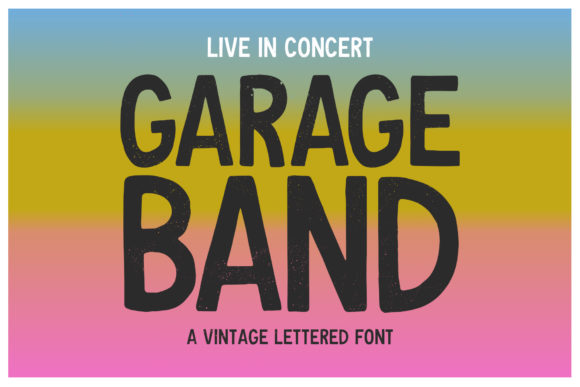
Garage Band isn’t a shy font. It’s imposing and bold, with each letter carrying a unique, almost handcrafted shape. It has the charm of vintage shop signage or old concert posters—a touch of nostalgia blended with modern confidence. The overall mood is warm, robust, and incredibly distinctive. For any maker, this is a font that brings creative appeal by its very presence; it doesn’t need decoration because its own form is the decoration.
This makes it perfect for projects that require a distinct tone. Whether you’re aiming for playful energy or grounded authenticity, Garage Band delivers a visual personality that feels both crafted and intentional.
A Maker’s Toolkit: Where Garage Band Comes to Life
In my shop, Garage Band has become a go-to asset for so many tangible products. It’s the star of my handmade candle labels, giving each scent a name that feels substantial and premium. It turns simple greeting cards for birthdays or congratulations into bold keepsakes. For wedding invitations or stationery, it creates stunning welcome boards and table number signs that guests remember.
I’ve used it on product tags for my knitted goods, making the small details feel important. It’s excellent for digital printables like planner pages and wall art, where the text needs to be the focal point. When I design stickers, especially for seasonal collections, Garage Band ensures the phrases—“Coffee Season,” “Fall Vibes”—stand out clearly, even when cut small on my Cricut.
And for shop branding, it’s a powerhouse. Think tote bags, mugs, and signs bearing your shop name. Garage Band lends immediate recognition and consistency, helping customers identify your style across packaging, social media graphics, and physical merchandise.
How Typography Shapes Customer Perception
Using a font like Garage Band directly affects how your products are perceived. That bold, unique lettering signals quality and care. It creates an emotional appeal—often a sense of warmth, strength, or fun—that engages your audience before they even touch the product. For a small business, this kind of visual consistency builds a brand identity that customers come to trust and look for. It turns a simple tag into part of your story.
Realistic Examples from the Craft Table
Let’s walk through a few specific applications. For a farmhouse-style wooden sign reading “Gather Here,” Garage Band provides the weight and character to feel authentic and hand-painted. Designing holiday gift tags? “Merry & Bright” in this font becomes the centerpiece, reducing the need for extra graphics.
When I create digital download templates for other makers—like editable wedding invitations—Garage Band in the preview images showcases the design’s potential, making the listing far more compelling. On a printed cotton tee or apron, a short phrase like “Maker of Things” gains a confident, artisan feel.
Best Uses and Readability Considerations
Garage Band is a display font, which means it’s ideal for short, impactful text. Use it for product names, titles, headlines, decorative wording, and key phrases on labels. It’s not designed for long paragraphs or body text; its strength is in making a few words unforgettable.
For physical products, readability is key. On small stickers or product labels, test your print or cut at the actual size. The bold forms of Garage Band generally hold up well, but ensure there’s enough padding around the letters so they don’t feel cramped. In mockup previews and listing images, it scales beautifully to grab attention. For cutting machines, the clean, distinct shapes typically result in clean cuts, but always do a test run with complex phrases.
Pairing Garage Band with Other Fonts
To balance its boldness, I often pair Garage Band with a clean sans serif font for details like ingredients, dates, or pricing. A simple serif font can add a touch of elegance for wedding projects, while a handwritten script might introduce a personal, soft contrast. The goal is to let Garage Band shine as the hero, supported by simpler, readable typefaces for secondary information.
Essential Checks Before You Sell
If you’re using Garage Band for commercial products—whether physical goods, templates, printables, or merchandise—always verify your license covers your intended use. Check the included file formats (often .OTF and .TTF) to ensure compatibility with your design software and cutting machines.
Look for any extra features like alternates, ligatures, or multilingual support that can add flexibility to your designs. Knowing you have a complete, commercial-use font means you can build your brand confidently, from a single candle label to an entire shop’s branding suite.
At its heart, Garage Band is more than a font. It’s a design asset that injects personality into every project it touches. It turns the ordinary text on a label, card, or sign into a memorable piece of your creative story. For any maker looking to elevate their product presentation with warmth and bold charm, it’s a tool that feels as hands-on as the craft itself.